Table of Contents
- Understanding Constitutional Rights Defense in 2026
- Constitutional Limits on Federal Agency Power
- State-Level Constitutional Litigation Strategies
- How to File a Constitutional Rights Complaint
- Strategic Collaboration in Legal Action
- Protecting Your Rights Against Digital Information Manipulation
- Practical Resources for Pro-Se Constitutional Defense
- Conclusion
- Frequently Asked Questions
Last Updated: August 31, 2026
Understanding Constitutional Rights Defense in 2026
Constitutional rights defense has become increasingly critical as citizens navigate complex federal and state legal landscapes. Understanding your constitutional protections is the foundation for asserting your rights effectively. The Constitution provides multiple layers of defense against government overreach, but only if you know how to invoke them strategically.
The challenge most people face isn’t ignorance of their rights, but knowing which legal tools to deploy in which situations. Federal courts, state courts, constitutional amendments, and litigation strategies each serve different purposes. This guide covers practical strategies citizens can use to defend their constitutional rights in 2026, examining how federalism protects individual liberty, how to file complaints that survive legal scrutiny, and how strategic collaboration amplifies your defensive power.
Constitutional Limits on Federal Agency Power
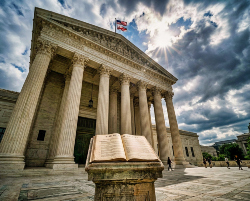 Federal agencies operate within strict constitutional boundaries. The Constitution constrains agency action through multiple mechanisms designed to prevent the concentration of executive power.
How the Fifth Amendment Constrains Agency Action
The Fifth Amendment’s due process clause creates a fundamental limitation on federal agency power. No agency can deprive you of life, liberty, or property without following established legal procedures. Agencies cannot act arbitrarily; their decisions must follow rules they’ve established, apply consistently, and provide notice and opportunity to be heard.
When an agency violates these procedural requirements, the violation itself becomes grounds for legal challenge. Many successful constitutional challenges focus on this procedural angle because it’s often easier to establish than proving the underlying policy decision was unconstitutional.
The Fifth Amendment also protects against self-incrimination in agency proceedings. If a federal agency demands testimony or documents that could be used against you criminally, you can invoke the privilege against self-incrimination.
Judicial Review as a Check on Executive Authority
The courts exist partly to check executive overreach. The Administrative Procedure Act (APA) provides the primary mechanism for challenging agency action in federal  court. Courts review whether agencies acted within their legal authority, followed proper procedures, and based decisions on substantial evidence.
You must exhaust administrative remedies first in most cases, meaning you must challenge the agency action through its internal appeal process before going to court. Federal courts apply different levels of scrutiny depending on what the agency did (the NIH). If the agency is interpreting a statute, courts defer to reasonable agency interpretations. If the agency is violating constitutional rights directly, courts apply strict scrutiny and give no deference to the agency’s judgment.
State-Level Constitutional Litigation Strategies
State constitutions often provide stronger protections for individual rights than the federal Constitution. This federalism advantage is one of the most underutilized tools in constitutional defense.
Why State Courts Matter in Rights Defense
State courts are frequently more receptive to constitutional rights claims than federal courts. State judges often interpret state constitutional protections more  expansively than federal judges interpret parallel federal protections. Many state constitutions include explicit protections for privacy, free speech, and due process that exceed federal minimums.
When federal courts reject a constitutional rights claim, state courts may accept the same claim under state constitutional law. This is federalism working as designed. State litigation also avoids procedural hurdles that plague federal court. You don’t need to exhaust administrative remedies before suing in state court, can often proceed pro se more effectively, and state courts typically move faster than federal courts.
Building a State-Based Legal Challenge
Start by researching your state’s constitutional protections. Every state constitution contains a bill of rights with explicit protections that the federal Constitution doesn’t provide. Next, identify which state agency violated your rights and which state court has jurisdiction. Most constitutional rights violations by state agencies belong in state trial courts.
Document the violation thoroughly. Keep copies of all communications with the agency, preserve any order or decision taken against you, and document any agency refusal to act. Consider whether you need an attorney, simple procedural violations might be handled solo, while complex constitutional interpretations probably require counsel.
How to File a Constitutional Rights Complaint
Filing a constitutional rights complaint requires precision. The wrong forum, improper documentation, or missed deadlines can destroy an otherwise valid claim.
Step 1: Document the Constitutional Violation
Documentation is your foundation. Create a detailed chronology of events with dates, times, names of officials involved, and exactly what action was taken or refused.
Gather all evidence: emails, letters, photographs, recordings (where legal), official documents, and any other materials showing the violation. Identify the specific constitutional provision violated. Write a factual narrative describing what happened in plain language, sticking to facts you can prove.
 Person sitting at a desk with legal documents, constitutional rights complaint forms, a laptop displaying research, and a pen, carefully reviewing and organizing paperwork in a well-lit home office
Step 2: Identify the Proper Forum
Choosing the wrong forum wastes time and money. If a federal agency violated your rights, you must file in federal court under the Administrative Procedure Act or under 42 U.S.C. § 1983. If a state or local agency violated your rights, you can file in state court under state constitutional law, state statute, or federal constitutional law under § 1983. State court is usually preferable because it’s faster and more accessible.
Some violations require exhausting administrative remedies first. Check your agency’s regulations for appeal procedures and deadlines. Determine which specific court has jurisdiction, most constitutional rights cases belong in trial courts. Check filing deadlines carefully; federal cases typically have a two-year deadline under § 1983. Missing a deadline is fatal to your claim.
Step 3: File Your Complaint and Preserve Evidence
Your complaint must contain specific elements to survive a motion to dismiss. State the facts clearly with enough detail that a judge can understand the violation. Identify the defendant precisely using official name and title. State the legal claim clearly, identifying which constitutional provision was violated and how. Request specific relief, declare the agency action unconstitutional, enjoin future violations, or award damages.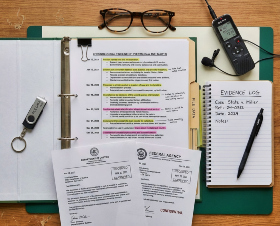
File in the correct court with the correct filing fee, following all procedures exactly. Once you file, preserve evidence immediately. Stop deleting emails, don’t alter documents, and don’t record conversations unless legal in your jurisdiction.
Strategic Collaboration in Legal Action
Individual constitutional rights cases often fail because the plaintiff lacks resources or visibility. Strategic collaboration multiplies your power.
Diverse group of citizens gathered in a community center, seated in a circle discussing legal strategies and constitutional rights, with documents and laptops visible, natural afternoon light streaming through windows
Find organizations aligned with your constitutional defense goals. Many organizations exist specifically to litigate constitutional rights cases, providing attorneys, resources, and strategic guidance. Consider amicus curiae (friend of the court) briefs to participate in related cases without being a party.
Coordinate with other affected citizens. If multiple people suffered the same violation, filing coordinated cases creates pressure on the defendant to settle or change practices. Document systemic patterns, if an agency violates rights repeatedly, that pattern becomes evidence of unconstitutional policy. Build public awareness; constitutional rights violations often depend on obscurity. Media coverage and community organizing create accountability mechanisms that supplement legal proceedings.
Protecting Your Rights Against Digital Information Manipulation
 Digital information manipulation poses a modern threat to constitutional rights. Information manipulation, the deliberate distortion of facts through selective presentation, false context, or outright fabrication, undermines informed consent and democratic decision-making.
Defend against manipulation by verifying information sources. When an agency claims something, check the original documents. Document manipulation when you encounter it; screenshots, archived web pages, and official records become evidence. Recognize that information control is a tool of overreach. Citizens who understand information dynamics are better equipped to recognize and resist manipulation.
Practical Resources for Pro-Se Constitutional Defense
Many citizens cannot afford attorneys but can represent themselves effectively in constitutional rights cases. Start with free legal resources. The American Civil Liberties Union (ACLU) provides constitutional rights information and litigation support. The Institute for Justice publishes guides on constitutional litigation strategies.
Use court self-help centers. Most federal and state courts maintain self-help centers specifically for pro-se litigants. Study the rules of civil procedure available free online. Research case law relevant to your situation using Google Scholar. Consider limited-scope representation where attorneys help with specific tasks at lower cost. Join pro-se support groups where citizens litigating constitutional cases share resources, strategies, and knowledge.
Conclusion
Constitutional rights defense in 2026 requires understanding federal and state law, identifying the proper forum for your claim, documenting violations carefully, and building strategic collaboration. The Constitution provides multiple layers of protection, but only if you know how to invoke them.
Texas Journal’s mission is to help citizens assert their rights and restore the country to its founding principles. Through understanding constitutional limits on federal agency power, using state constitutional protections, and building collective legal action, you transform from a passive subject of government power into an active defender of constitutional liberty. Click Here to join the movement for constitutional defense.
Frequently Asked Questions
What are the primary constitutional limits on federal agency power?
Federal agencies are constrained by the Fifth Amendment’s due process and takings clauses, the First Amendment’s protections on speech and assembly, and the Tenth Amendment’s reservation of powers to the states. Courts apply judicial review to strike down agency actions that exceed statutory authority or violate constitutional rights. The Administrative Procedure Act also requires agencies to follow proper notice-and-comment procedures. Citizens can challenge unconstitutional orders through federal court litigation or state constitutional claims, making judicial review a critical tool for defending civil liberties against executive overreach.
How do state courts protect constitutional rights differently than federal courts?
State courts apply both federal constitutional law and their own state constitutions, which often provide broader protections than the federal Constitution. State-level constitutional litigation strategies allow citizens to assert rights through state supreme courts without federal court delays. Many state constitutions include explicit protections for privacy, due process, and individual liberty that exceed federal minimums. Filing complaints in state courts can be faster and more accessible than federal litigation, making state constitutional claims a practical path for defending rights against federal or state agency action.
What is the first step in filing a constitutional rights complaint?
Document the constitutional violation thoroughly by collecting all evidence: dates, times, communications, actions taken by government officials, and how your rights were harmed. Preserve evidence in digital and physical form, including emails, photos, videos, and witness statements. Identify which specific constitutional protections were violated (First Amendment, Fifth Amendment due process, etc.). Once documented, consult with an attorney or use pro-se legal resources to determine whether to file in state or federal court. Proper evidence preservation is critical because courts require clear proof that a constitutional right was actually violated.
Can I challenge federal agency action if I cannot afford an attorney?
Yes. Pro-se legal resources include law school clinics, public interest law organizations, and self-help guides that explain how to file constitutional rights complaints without legal counsel. Many organizations provide free templates and guidance for challenging unconstitutional orders. State bar associations often maintain lists of low-cost legal aid services. The federal courts and state courts both accept pro-se filings, though self-representation requires careful attention to procedural rules. Starting with state court may be more accessible because state constitutional claims sometimes proceed faster and require less complex federal procedure navigation.
What role does federalism play in defending constitutional rights?
Federalism—the division of power between state and federal governments—creates multiple venues for asserting constitutional protections. When federal agencies overreach, citizens can assert rights through state courts, state attorneys general, or state legislatures. The Tenth Amendment reserves powers to the states, allowing states to challenge federal actions that exceed constitutional limits. This system of checks provides citizens with a strategic advantage: if federal courts are unavailable or hostile to a claim, state constitutional protections and state-level litigation offer alternative paths. Understanding federalism means recognizing that states themselves are tools for defending individual civil liberties.
How can I organize collective legal action with others facing similar constitutional violations?
Strategic collaboration in legal action multiplies individual efforts into a force for systemic accountability. Identify others facing identical or related constitutional violations, document their cases, and work with civil rights organizations or attorneys to file coordinated litigation. Class action lawsuits allow multiple plaintiffs to challenge the same unconstitutional government policy. Coalition building with patriotic organizations amplifies public advocacy and creates political pressure alongside legal action. Collective action also reduces individual legal costs and increases the likelihood that courts will recognize a pattern of constitutional violation, making damages recovery more substantial and policy change more achievable.