Last Updated: October 29, 2026
Quick Summary
To attend city council meetings effectively, find the schedule on your city’s official website, read the agenda in advance, and sign up early to speak during public comment. Prepare a short script of about 150 to 250 words, which fits the typical two- to three-minute limit. Follow up with your council member afterward.
- Check your city’s official website for regular meeting dates, which often fall twice a month.
- Read the agenda several days ahead and note items affecting your street, neighborhood, or business.
- Public comment is usually limited to two to three minutes per speaker.
- Aim for a script of about 150 to 250 words and practice it aloud.
- After the meeting, email your council member to thank them and ask about next steps.
Table of Contents
- Why City Council Meetings Matter to Your Rights
- How to Find Your Council’s Meeting Schedule
- Reading the City Council Meeting Agenda
- Understanding City Council Public Comment Rules
- Signing Up to Speak Before the Meeting
- Writing a City Council Public Comment Script
- How to Speak at a City Council Meeting
- What to Do If You Can’t Speak or Attend
- Following Up After the Meeting
- Your Next Council Meeting: Start With the Agenda This Week
- Frequently Asked Questions
Why City Council Meetings Matter to Your Rights
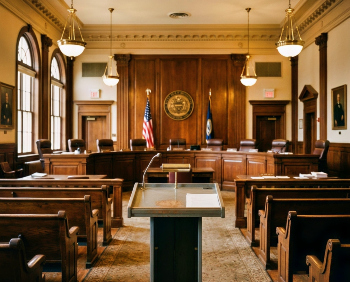 City council meetings are where local government makes decisions that affect your daily life, from zoning and property taxes to policing and public spending. By law, these meetings are open to the public, which means you have a right to attend. Learning how to attend local city council meetings effectively gives you a real voice in those decisions.
Most residents never set foot in a council chamber. That silence is exactly why a few engaged people can have outsized influence. Showing up is one of the most direct ways to hold local officials accountable.
LocalView, a database of public meetings for the study of local government
Understanding your rights at these meetings helps you use them. Understanding Constitutional Rights in Texas Schools explains the constitutional protections that apply to speech and participation.
How to Find Your Council’s Meeting Schedule
Start with your city’s official website. Most cities post a calendar of council meetings, usually with the date, time, and location.
Look for these details:
- Regular meeting dates, often twice a month
- Work sessions or study sessions, which may have different rules
- Special meetings called for urgent items
- Whether meetings are held in person, online, or both
Many cities also let you subscribe to email alerts, so new agendas arrive in your inbox.
Reading the City Council Meeting Agenda
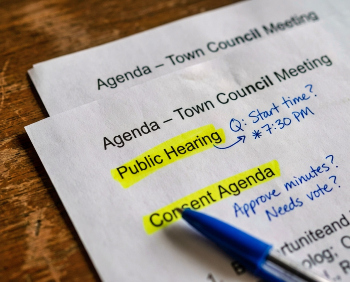
The agenda is the meeting’s roadmap. It lists every item the council will consider, usually in the order they will be discussed.
Read the agenda ahead of time and note:
- Items that affect your street, neighborhood, or business
- Consent agenda items, which are often voted on together without discussion
- Public hearings, where you can speak on a specific proposal
- The time slot for general public comment
Agendas are usually posted several days before the meeting. Supporting documents, such as staff reports and proposed ordinances, are often attached. Reading these gives you the facts you need to speak with confidence.
 Understanding City Council Public Comment Rules
Public comment is the part of the meeting where residents can address the council directly. Rules vary by city, but most share a few features.
- Comments are usually limited to two to three minutes per speaker
- Speakers often must state their name and address
- Some cities limit comments to items on the agenda, while others allow general topics
- Personal attacks and disruptive behavior can get you removed
Check your city’s council rules or code of conduct before you go. Knowing the limits keeps you from losing your time at the microphone. Learn how to assert constitutional rights with step-by-step guidance on your protections during public comment.
Signing Up to Speak Before the Meeting
Many councils require you to sign up before the meeting begins. Some use a paper sign-in sheet at the door, while others use an online form.
A common mistake is arriving late and finding the speaker list full. Arrive early and sign up as soon as the list opens. If you cannot attend in person, some cities accept written comments submitted by email or an online portal before the meeting. Check the agenda for instructions.
The steps below summarize how to get ready and take part in a council meeting, using the points covered in the article.
| Step | What to do | Timing |
|---|---|---|
| Find the schedule | Check the city’s official website calendar | Regular meetings often twice a month |
| Read the agenda | Note items affecting you and the public comment slot | Usually posted several days before |
| Check comment rules | Review limits on time and topics | Before you go |
| Sign up to speak | Use the paper sheet or online form | As soon as the list opens |
| Prepare your script | Keep it to about 150 to 250 words | Practice aloud and time it |
| Follow up | Email your council member and ask next steps | After the meeting |
Writing a City Council Public Comment Script
A short, clear script keeps your comments focused and on time. Aim for about 150 to 250 words, which fits comfortably in two to three minutes at a calm speaking pace.
Use this simple structure:
“My name is [name], and I live on [street] in [district]. I am speaking about Item [number] on tonight’s agenda. [State your position in one sentence.] Here is why it matters to me: [one or two specific facts or experiences]. I respectfully ask the council to [specific action]. Thank you.”
Practice it out loud and time yourself. Bring a printed copy in case your nerves get the better of you.
 How to Speak at a City Council Meeting
When your name is called, walk to the podium, state your name and address, and begin. Speak slowly and look at the council members when you can.
Stick to your main point. Officials respond best to specific requests and concrete facts, not general complaints. If you run short on time, end with your request.
Watch out: Do not read a long letter word for word. Council members often tune out, and you may run past your time limit.
What to Do If You Can’t Speak or Attend
You can still take part if you can’t attend in person. Many cities allow written comments by email, mail, or an online portal, and these are often entered into the official record.
You can also watch meetings live or on recorded video, then contact your council member directly. Organizing with neighbors or a local group multiplies your voice.
Following Up After the Meeting
Your work does not end when the meeting closes. Check the official minutes and video to confirm how the council voted and what was said.
Follow up with a short, polite email or letter to your council member. Thank them for their time, restate your request, and ask about next steps. If a decision affects your property or rights, you may have options to challenge it. Learn how to challenge zoning decisions that the council makes.
Your Next Council Meeting: Start With the Agenda This Week
The best way to start is with the next scheduled meeting. Find the date on your city’s website, read the agenda, and pick one item that matters to you.
Then prepare a short script, sign up early, and attend. Each meeting you attend makes the next one easier.
Dave
Questions? Call!
940-353-1398

Frequently Asked Questions
How do I find out when my city council meets?
Most city councils post their regular meeting schedule on the city’s official website, usually under a Council, Agendas, or Meetings page. Many cities also publish a yearly calendar and list special or emergency sessions as they are scheduled. If you can’t find the schedule online, check the clerk’s office, since the city clerk typically maintains official records of meeting dates, times, and locations. Set a reminder for regular meeting days so you don’t miss items you care about.
How can I find the agenda for a city council meeting?
Agendas are generally posted several days before the meeting, often at least 72 hours ahead under many open meetings laws, on the city’s website or the clerk’s portal. Look for the agenda under the meeting date. Read the item descriptions carefully, because a topic may be listed under a consent agenda or a vague heading. If you cannot locate it, call or email the city clerk’s office and ask for a copy.
What should I say during public comment?
Keep your remarks focused on one issue, state your name and address if required, and tie your comments to a specific agenda item when possible. Explain how the decision affects you or your neighborhood, and offer a clear request, such as voting against an ordinance or asking for more information. Stay respectful even when you disagree, and avoid personal attacks, since councils can cut off speakers who make them.
How long do public comments usually last?
Many councils limit each speaker to about two to three minutes, and some set an overall time cap for the public comment period. Check the meeting rules or the agenda for the exact limit, since it varies by city. Because time is short, prepare a written statement you can read within the allotted time, and bring extra copies to submit for the record.