


Table of Contents
- What Sovereignty Means and Why It Matters
- National Sovereignty Versus Global Governance
- Constitutional Limits on Federal Agency Power
- State Sovereignty Under the Tenth Amendment
- The U.S. Constitution and International Agreements
- How to Challenge Federal Agency Action
- International Organizations and Their Influence on U.S. Policy
- Democratic Accountability and Public Consent in Sovereignty Debates
- Practical Steps Citizens Can Take to Assert Sovereignty
- Frequently Asked Questions
Last Updated: October 10, 2026
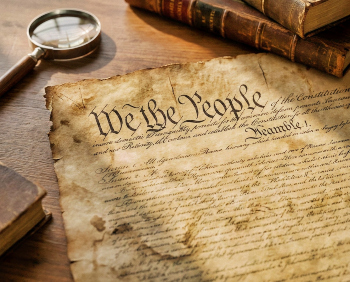 What Sovereignty Means and Why It Matters
Defending sovereignty means ensuring a nation governs itself without external interference and that people, through chosen representatives, make their own laws.
The Constitution establishes that power flows from the people to their government. Defending sovereignty protects this foundational principle.
Global institutions, international agreements, and federal agencies increasingly affect American citizens. Understanding your constitutional rights is the first step toward reclaiming your power.
National Sovereignty Versus Global Governance
Global institutions like the United Nations and World Health Organization make recommendations that shape American policy. But they cannot force U.S. compliance without American consent.
International agreements require Senate ratification. The Constitution mandates Senate approval before any treaty binds the nation, a built-in safeguard (Locating Information on Historical Treaties in U.S. Senate Records).
Federal agencies sometimes implement international guidelines without congressional oversight. Global governance becomes problematic when unelected bureaucrats adopt foreign standards without public debate or legislative approval.
 Constitutional Limits on Federal Agency Power
Federal agencies wield enormous power, but the Constitution limits what they can do. These limits matter for defending sovereignty.
The Constitution grants Congress specific powers. Agencies exist to carry out those powers, not create new ones. When agencies exceed their authority, citizens have legal recourse.
Courts have struck down agency actions exceeding statutory authority. The key is knowing when an agency has overstepped and how to challenge it.
Federal agencies often justify actions by referencing international agreements, claiming global standards require new regulations. But international agreements do not override the Constitution.
State Sovereignty Under the Tenth Amendment
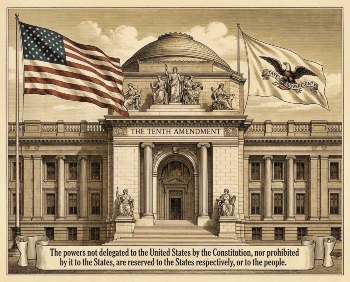
The Tenth Amendment is often overlooked but enormously powerful. It states: “The powers not delegated to the United States by the Constitution, nor prohibited by it to the States, are reserved to the States respectively, or to the people.”
States retain all powers the Constitution doesn’t grant to the federal government; education, healthcare, land use, and business regulation remain state matters unless the Constitution specifies otherwise.
Defending sovereignty includes defending state sovereignty. When the federal government controls areas reserved to states, that is unconstitutional.
States have challenged federal overreach in court and won, refused federal mandates, and passed laws protecting state interests, all legitimate uses of state power.
States that automatically comply with federal directives surrender sovereignty they legally possess. Citizens should push state governments to assert their constitutional rights.
 The U.S. Constitution and International Agreements
International agreements, trade deals, climate accords, health protocols, commit the United States to specific actions. But what authority do they actually have?
Treaties require Senate ratification by a two-thirds majority, a high bar intentionally designed to protect American interests.
Presidents sometimes sign “executive agreements” bypassing the Senate. This creates a loophole where international agreements avoid Senate scrutiny.
Agencies implement international standards without explicit congressional approval, claiming they are “recommended” rather than “required,” yet enforce them like law.
Treaty obligations are binding; agency guidance based on international recommendations is discretionary. Citizens can challenge whether an agency has authority to enforce international standards.
How to Challenge Federal Agency Action
Challenging federal agency action is difficult but legal. Citizens have several tools available.
File formal comments when agencies propose rules. If your comment shows the agency misunderstood the law or ignored constitutional limits, it becomes part of the record.
Request Freedom of Information Act (FOIA) releases to obtain documents behind agency decisions. Transparency often reveals weak legal grounds and overreach.
Support litigation challenging agencies. Cases often succeed when the agency acted without clear legal authority.
Contact elected representatives. Congress can hold hearings, cut funding, or pass laws limiting agency authority. Constituent pressure matters.
Work with state government. Governors and state attorneys general can sue to challenge federal overreach on citizens’ behalf.
International Organizations and Their Influence on U.S. Policy
International organizations influence American policy, but understanding where their authority ends is critical to defending sovereignty without overstating the threat.
How International Organizations Gain Influence
International bodies do not command U.S. policy directly. Instead, influence flows through specific legal and institutional channels:
- Treaty obligations. When the Senate ratifies a treaty (requiring two-thirds approval), the United States becomes legally bound to comply with its terms. The Senate ratified the World Health Organization Constitution in 1948. Member states must follow certain WHO procedures, but the treaty itself defines the scope. The U.S. can withdraw with notice.
- Executive agreements. Presidents sometimes sign agreements that bypass Senate ratification. These are binding on the executive branch but lack the constitutional weight of treaties. Congress can override them or refuse to fund their implementation.
- Soft guidance and recommendations. International bodies issue guidelines, standards, and best practices that carry no legal force. Agencies choose to adopt them. This is where confusion often arises: an agency following WHO guidance is not legally required to do so unless Congress or a treaty mandates it.
- Funding conditions. International lenders like the World Bank or International Monetary Fund sometimes attach policy conditions to loans. The U.S. government can refuse the loan and the conditions.
Measuring Actual Authority Versus Claimed Influence
To assess whether an international organization has overstepped, ask these questions:
- Is there a ratified treaty? If yes, the U.S. is legally bound to the treaty’s terms, but only those terms. Check the Senate ratification record and the treaty text itself.
- Did Congress authorize this? Some laws explicitly direct agencies to follow international standards (e.g., maritime safety regulations aligned with International Maritime Organization standards). Congress chose this; it is not imposed.
- Is the agency citing a legal obligation or a recommendation? Agencies must distinguish between “we must comply because of a treaty” and “we are adopting this standard because it is best practice.” The first is binding; the second is discretionary.
- Can the U.S. withdraw or opt out? Most treaties include withdrawal provisions. The U.S. withdrew from the Paris Climate Agreement in 2020 and rejoined in 2021, demonstrating that treaty commitments are not permanent.
Specific Examples of Institutional Limits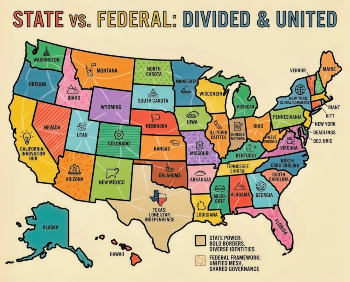
The World Health Organization illustrates these boundaries. The WHO has no enforcement power. It cannot fine countries, seize assets, or compel compliance. During the COVID-19 pandemic, the WHO issued guidance, but each nation decided whether to follow it. Some countries adopted WHO recommendations; others rejected them. The U.S. government made its own decisions about lockdowns, vaccination requirements, and public health measures. The WHO did not override American sovereignty.
Similarly, the United Nations Security Council can authorize military action, but only the President and Congress can commit U.S. forces. The U.N. General Assembly passes resolutions, but these are not binding on member states. The U.S. votes on them and can ignore them.
International trade bodies like the World Trade Organization can rule that a country’s trade practice violates an agreement, but the U.S. can choose to pay penalties rather than change the practice. This happened when the U.S. imposed steel and aluminum tariffs in 2018 despite WTO rulings against them.
Where Sovereignty Actually Erodes
Sovereignty is compromised not when international organizations exist, but when:
- Agencies adopt international standards without congressional authorization or public debate, claiming they are legally required when they are not.
- Treaties are ratified without genuine Senate deliberation or public awareness of their terms.
- Unelected officials in agencies or international bodies make decisions that should require democratic input, and citizens have no mechanism to challenge them.
- The government treats international recommendations as binding law even though they have no legal force.
The remedy is transparency and accountability, not isolation. Citizens should demand that agencies disclose which international agreements they are following, provide the legal basis for doing so, and allow public comment before adopting international standards. Congress should regularly review international commitments and ensure they serve American interests.
Democratic Accountability and Public Consent in Sovereignty Debates
Sovereignty ultimately depends on democratic accountability. If citizens cannot influence or change their government’s decisions on major policy commitments, they lack real sovereignty. But “accountability” is abstract. How do you measure it? What does it look like in practice?
Defining Accountability in Sovereignty Context
Democratic accountability on sovereignty issues requires:
- Transparency. Citizens must know what agreements their government is making, what those agreements require, and how they will be implemented. Without this information, citizens cannot evaluate whether the agreements serve their interests.
- Legislative oversight. Congress must review and approve major commitments before they bind the nation. This is why the Constitution requires Senate ratification of treaties.
- Public deliberation. Citizens should have an opportunity to debate major policy shifts before locking them in. This typically happens through comment periods, hearings, and media coverage.
- Reversibility. Citizens should be able to change course if they decide a commitment no longer serves them. This means treaties should include withdrawal provisions, and laws should be amendable.
- Traceability. Citizens should know who made decisions and be able to hold them accountable through elections or other mechanisms.
 Measuring Accountability: Practical Indicators
You can assess whether your government is accountable on sovereignty by checking for these indicators:
Legislative Process Indicators:
- Did Congress vote on the commitment, or did the executive branch act alone?
- If a treaty, did the Senate hold hearings and debate before ratification?
- Is there a public record of the vote and senators’ stated reasons?
- Can you find the full text of the agreement online?
Public Access Indicators:
- Can you obtain the text of international agreements your government has signed? (They should be available through the State Department or Federal Register.)
- Does your agency publish the legal basis for adopting international standards? (Check the Federal Register for the “Legal Authority” section of proposed rules.)
- Do agencies hold public comment periods before implementing international guidelines?
- Do agencies respond to public comments in writing, explaining why they accepted or rejected them?
Oversight Indicators:
- Does Congress hold regular hearings on international commitments and their effects?
- Do committees request reports from agencies on how they are implementing international agreements?
- Can you find evidence that Congress has reviewed or challenged agency actions based on international guidance?
- Are there Inspector General reports or Government Accountability Office audits on international agreement implementation?
Reversibility Indicators:
- Does the agreement include a withdrawal provision? If so, how much notice is required?
- Has Congress passed legislation that could override the agreement if needed?
- Can the President modify or withdraw from the agreement, or does it require Senate approval?
- Does it include sunset provisions that require Congress to periodically reauthorize the commitment?
Traceability Indicators:
- Can you identify which officials negotiated the agreement and made implementation decisions?
- Are there public records of their reasoning and deliberations?
- Can you contact your representatives and ask them to explain their position on the agreement?
- Are there mechanisms to challenge the agreement in court if you believe it exceeds constitutional authority?
How Accountability Breaks Down on Sovereignty Issues
Accountability fails when:
- Agencies adopt international standards without explicit congressional authorization. The agency claims the standard is “recommended” rather than “required,” so it doesn’t need legislative approval. But in practice, it enforces the standard as if it were law. Citizens have no mechanism to challenge it through the normal democratic process.
- Treaties are ratified with minimal public debate. The Senate votes on a treaty without holding hearings or allowing public input. Citizens learn about the commitment only after it is already binding.
- The executive branch implements international agreements through executive action rather than legislation. The President signs an executive agreement, bypassing the Senate. Congress and the public have no formal role in approving it.
- Agencies refuse to disclose the legal basis for international standards. When you request documents showing why an agency adopted an international guideline, the agency claims the documents are privileged or confidential. You cannot evaluate whether the agency acted lawfully.
- Withdrawal is politically difficult or legally impossible. The agreement is structured so that withdrawing would trigger penalties or require renegotiating other commitments. Citizens are locked in even if they change their minds.
Practical Steps to Strengthen Accountability
Citizens can demand accountability by:
- Requesting transparency. File a Freedom of Information Act request for documents showing how your government decided to adopt an international standard or enter an agreement. Ask for the legal analysis, cost-benefit studies, and deliberations.
- Attending public comment periods. When agencies propose rules based on international guidelines, submit comments asking for the legal authority and requesting that Congress approve the commitment before it is implemented.
- Contacting representatives. Ask your senators and representatives whether they have reviewed the international agreement and whether they approve of how it is being implemented. Demand a written response.
- Supporting litigation. Organizations challenge agency actions regularly. Support cases that argue an agency exceeded its authority by adopting international standards without congressional approval.
- Monitoring Congressional activity. Subscribe to Congress.gov alerts for bills related to international agreements or agency oversight. Attend hearings if your representatives are involved.
- Documenting implementation. Keep records of how international agreements affect your community. Document cases where international standards conflict with local values or interests. Share this information with your representatives and the media.
The Balance: Cooperation and Control
Accountability does not require isolating the nation from international cooperation. It requires ensuring that cooperation happens through democratic channels with public consent. The Constitution provides these channels: Senate ratification of treaties, congressional authorization of executive agreements, and judicial review of agency action.
When these channels work, the nation can cooperate internationally while preserving democratic control. When they are bypassed, sovereignty erodes, not because international cooperation is inherently bad, but because citizens have lost the ability to decide whether cooperation serves their interests.
 Practical Steps Citizens Can Take to Assert Sovereignty
Defending sovereignty isn’t passive. Citizens can take concrete steps right now.
Educate yourself. Read the Constitution and understand what it says about federal power, state power, and individual rights.
Know your representatives. Contact your senators, representatives, governor, and state legislators. Ask where they stand on federal overreach and international agreements.
Monitor agency action. Subscribe to Federal Register notices and submit comments on proposed rules during comment periods.
Support legal challenges. Support litigation that aligns with your values. Litigation enforces constitutional limits.
Participate locally. Attend city council and county commission meetings. Push back on federal mandates that may not serve your community.
Join civic organizations. Connect with groups focused on constitutional rights and state sovereignty. Collective action amplifies individual voices.
Vote strategically. Support candidates defending constitutional limits on federal power. Local and state elections often matter more than presidential races for sovereignty issues.
Document overreach. Document and share federal agency or international body overreach. Build a record of unconstitutional actions.
Defending sovereignty against globalist influence is not extreme. It’s constitutional. It’s patriotic. It’s your right as an American citizen. The Constitution gives you tools to protect your freedom and your nation’s independence. Understanding those tools is the first step. Using them is the next.
Texas Journal provides the critical insight and constitutional education you need to assert your rights and defend national values. Through detailed constitutional analysis and state sovereignty resources, citizens learn how to challenge federal overreach and reclaim their power. The platform equips you with knowledge of your constitutional rights and shows you exactly how to use them. Whether you’re concerned about federal agency power, international agreements, or the erosion of state sovereignty, Texas Journal offers the guidance to take meaningful action. Join the movement to restore the Constitution and protect American freedom. Your sovereignty depends on it.
Frequently Asked Questions
How does the U.S. Constitution limit federal power and protect state sovereignty?
The Constitution divides power between federal and state governments through enumerated powers and the Tenth Amendment. Federal agencies can only exercise authority explicitly granted by Congress. States retain all powers not delegated to the federal government. This structural separation prevents any single entity from accumulating unchecked authority. Citizens can challenge federal agency actions that exceed constitutional limits through federal courts, administrative appeals, or state legislative action. Understanding these constitutional boundaries is essential for defending sovereignty.
Can international agreements override the U.S. Constitution?
No. The U.S. Constitution is the supreme law of the land. International treaties must comply with constitutional limits and cannot grant the federal government powers the Constitution does not already authorize. The Senate must ratify treaties with a two-thirds majority, and Congress must pass implementing legislation for most agreements. Citizens retain the right to challenge any treaty or international agreement that violates constitutional protections. The Constitution’s ratification requirement ensures public consent through elected representatives.
What are practical steps I can take to defend sovereignty in my state?
Engage in local civic processes: attend state legislative hearings, petition your representatives, and organize with neighbors around sovereignty concerns. Support state-level legal challenges to federal overreach. Participate in ballot initiatives and referendums that protect state authority. Join organizations focused on constitutional education and states’ rights advocacy. Contact your state attorney general about federal agency actions that exceed constitutional authority. Vote for candidates committed to constitutional limits. These actions build accountability and signal the public’s consent requirements for policy decisions.
What is the impact of globalization on national sovereignty?
Globalization pressures centralized decision-making through international institutions, trade agreements, and multilateral organizations. This can shift policy authority away from elected national representatives and state governments. However, the U.S. Constitution provides tools to manage this impact: Congress controls treaty ratification, states retain police powers, and courts enforce constitutional limits. Citizens can advocate for policies that balance international cooperation with protection of domestic decision-making authority. Understanding these mechanisms helps distinguish between unavoidable global interdependence and overreach that violates constitutional boundaries.

